SUNY
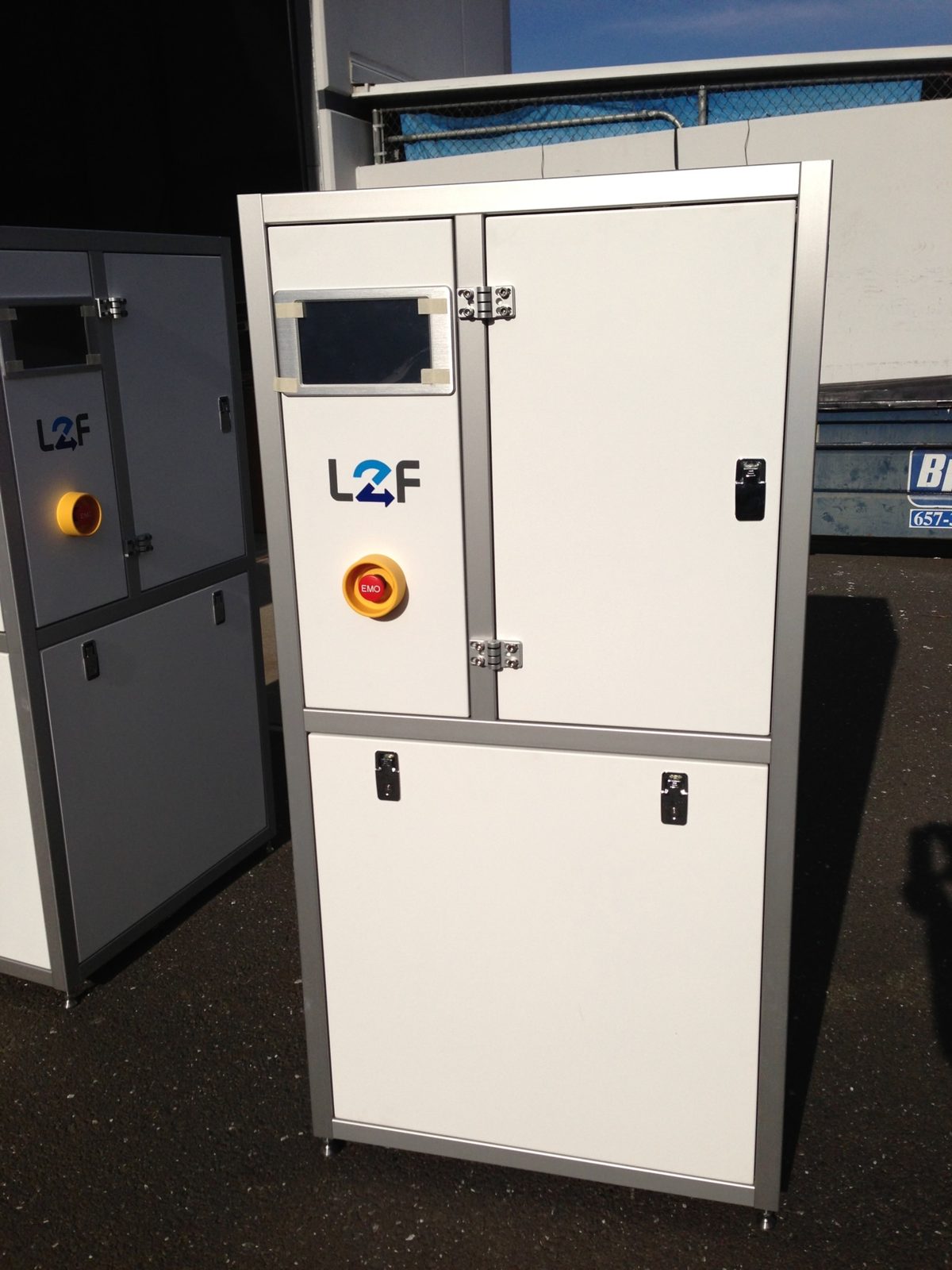
L2F-000Lab2Fab's first shipped project: a thin-film wafer handling system built for the State University of New York, designed, built and crated in the Fremont shop.
Project #1. The one that proved we could do it.
Shawn M. Lange · Engineer, founder, operator · Silicon Valley, with 3+ years in Japan
I build automated equipment and the businesses around them. Founder of Lab2Fab, the robotics firm that put work cells on the floor at Apple, Tesla and SpaceX and was acquired by The Middleby Corporation. Spent more than three years in Nagoya, Japan with Mitsubishi Electric. Named inventor on seven U.S. patents. Now leading go-to-market at Hyphen.

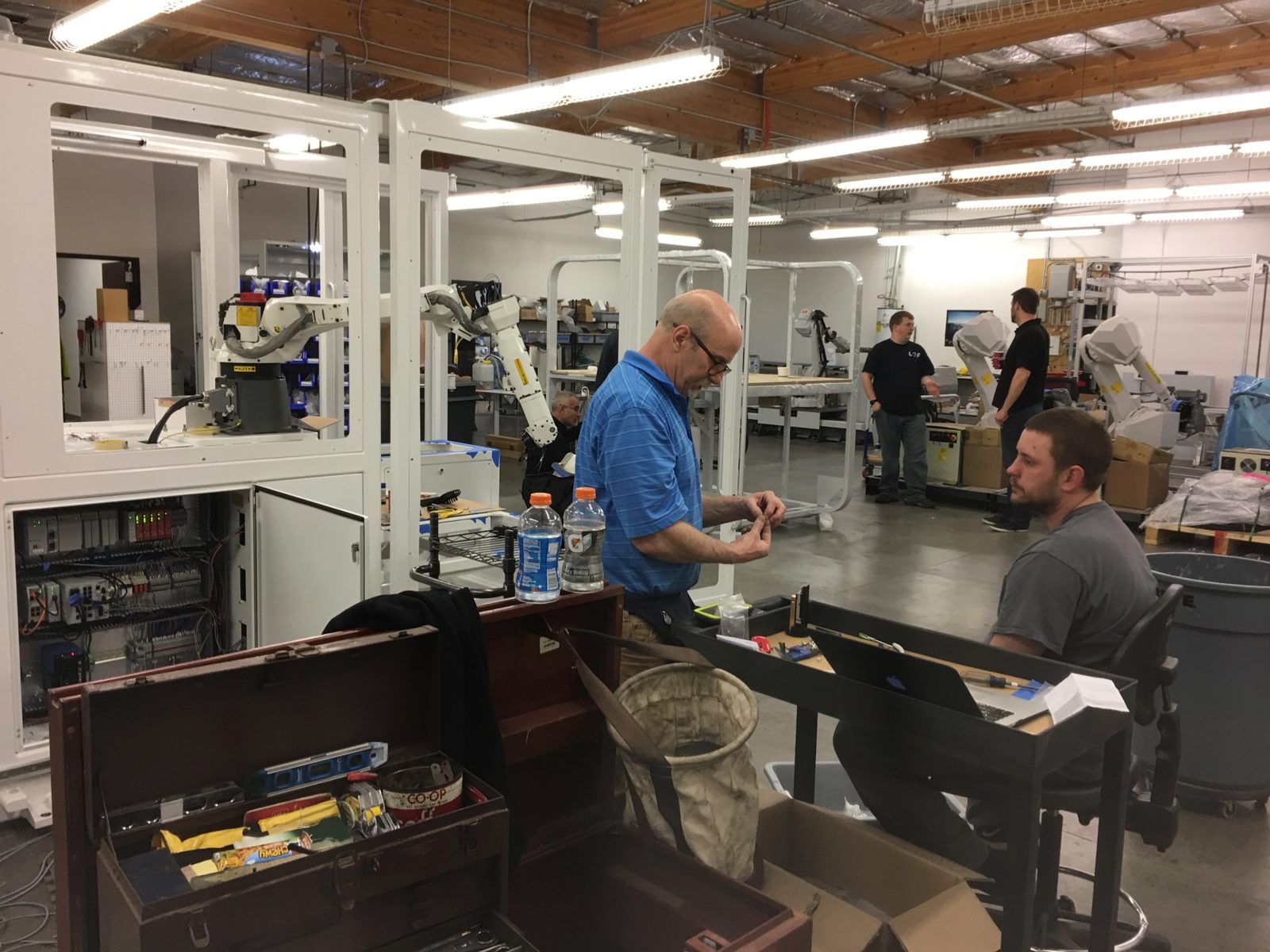
Lab2Fab took hardware out of the lab and onto the production floor: custom tooling, robotic work cells and full line integration for companies that needed to move at Silicon Valley speed. Aerospace, automotive, semiconductor, solar, pharma and food. Click any photo to enlarge.
Lab2Fab's first shipped project: a thin-film wafer handling system built for the State University of New York, designed, built and crated in the Fremont shop.
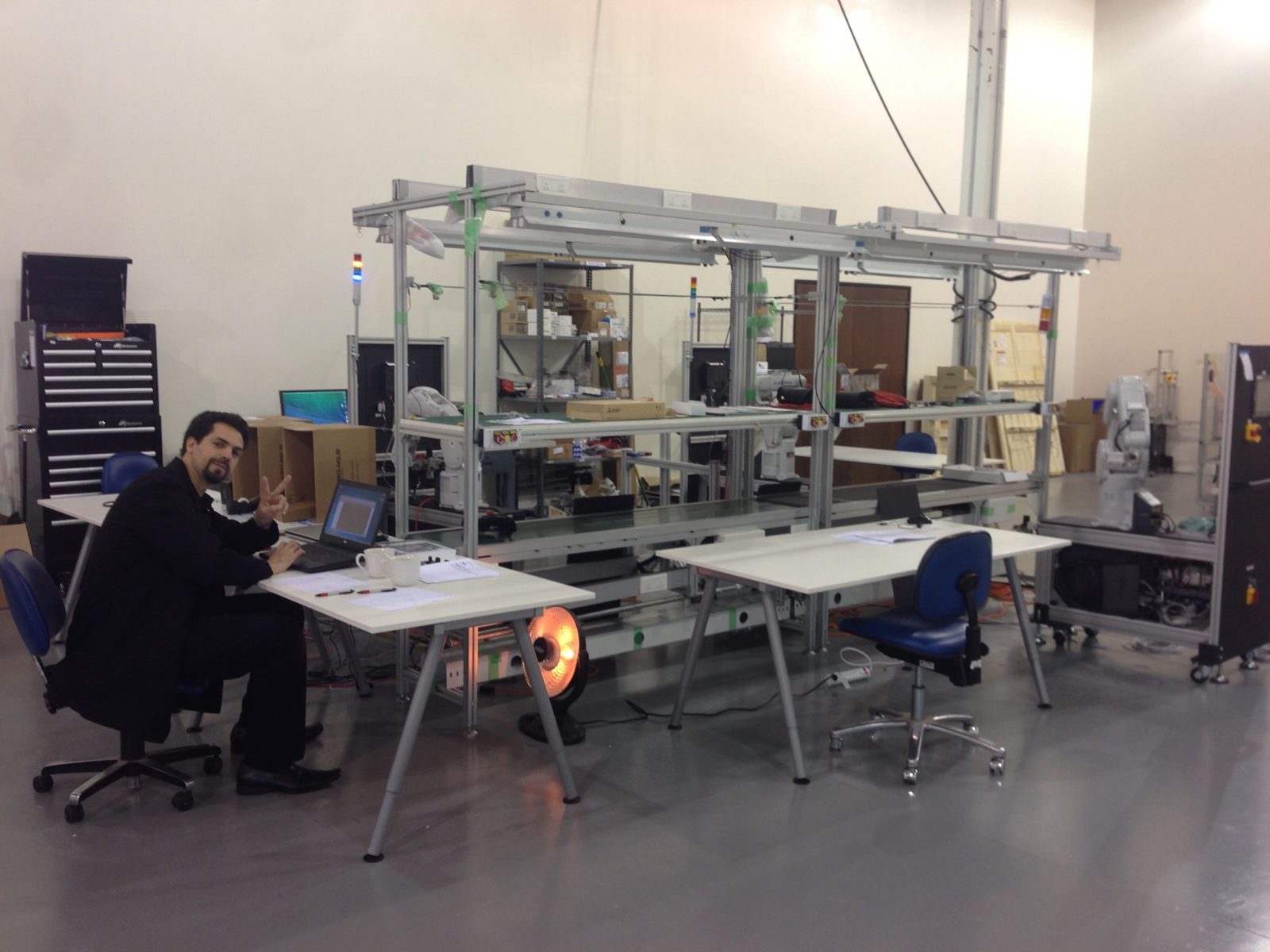
Final test-and-measurement cells for iPad mini: the last QC station before a unit ships. The handling could not leave a scratch, the cells ran on a live line beside human operators, and the vision had to ignore whatever else came down the belt, gum wrappers included, and react only to iPads. Mechanical design by co-founder Derek Pietz; most of the controls by me. Also built an automated micro-LED work cell for LuxVue, the display startup Apple later acquired.
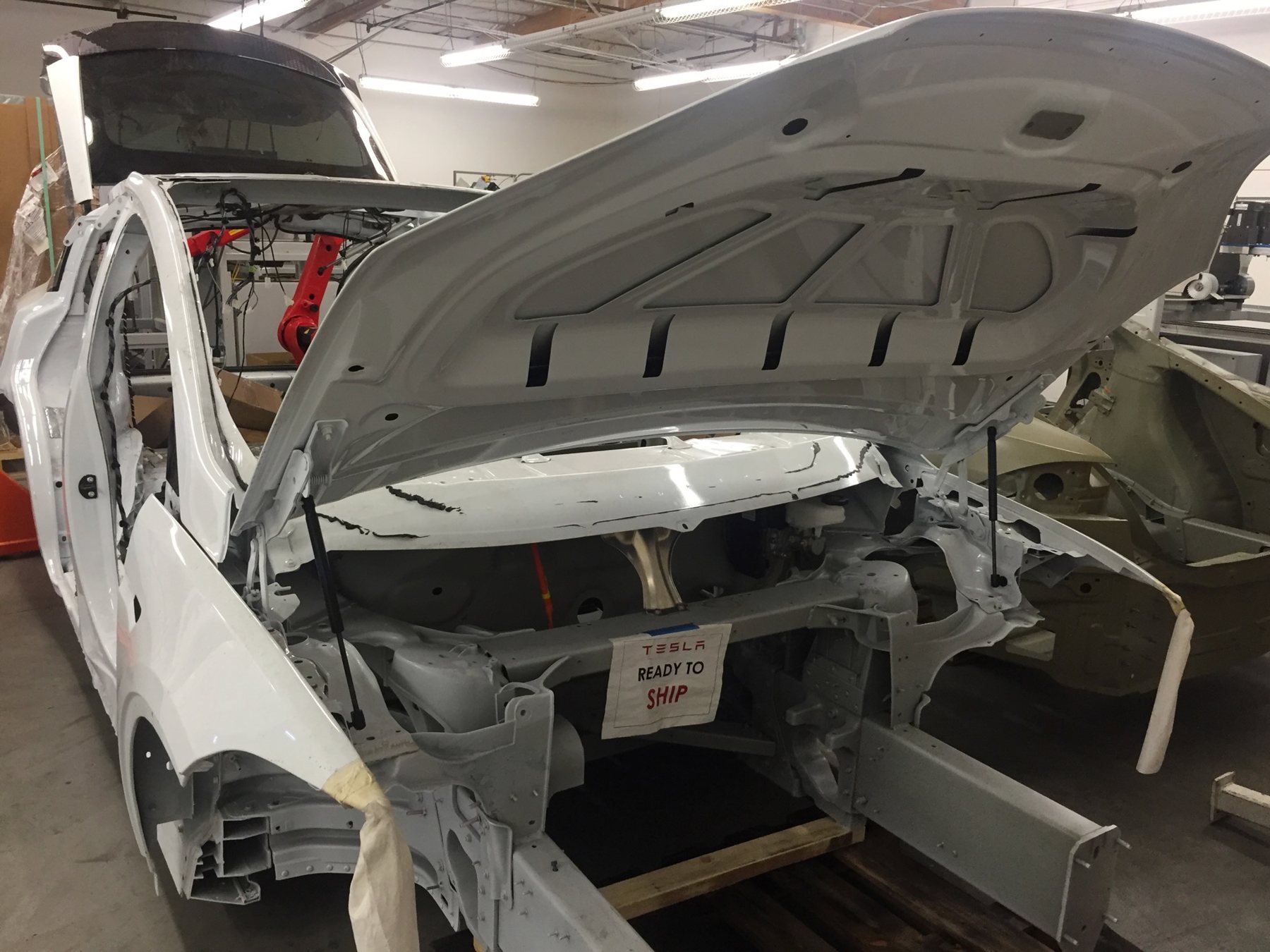
Fence-less collaborative work cell that etches the VIN into every Model S and Model X body on the Fremont line, using laser area scanners and machine intelligence so people and robots share the floor. Developed on a pre-release Model S body in our shop.
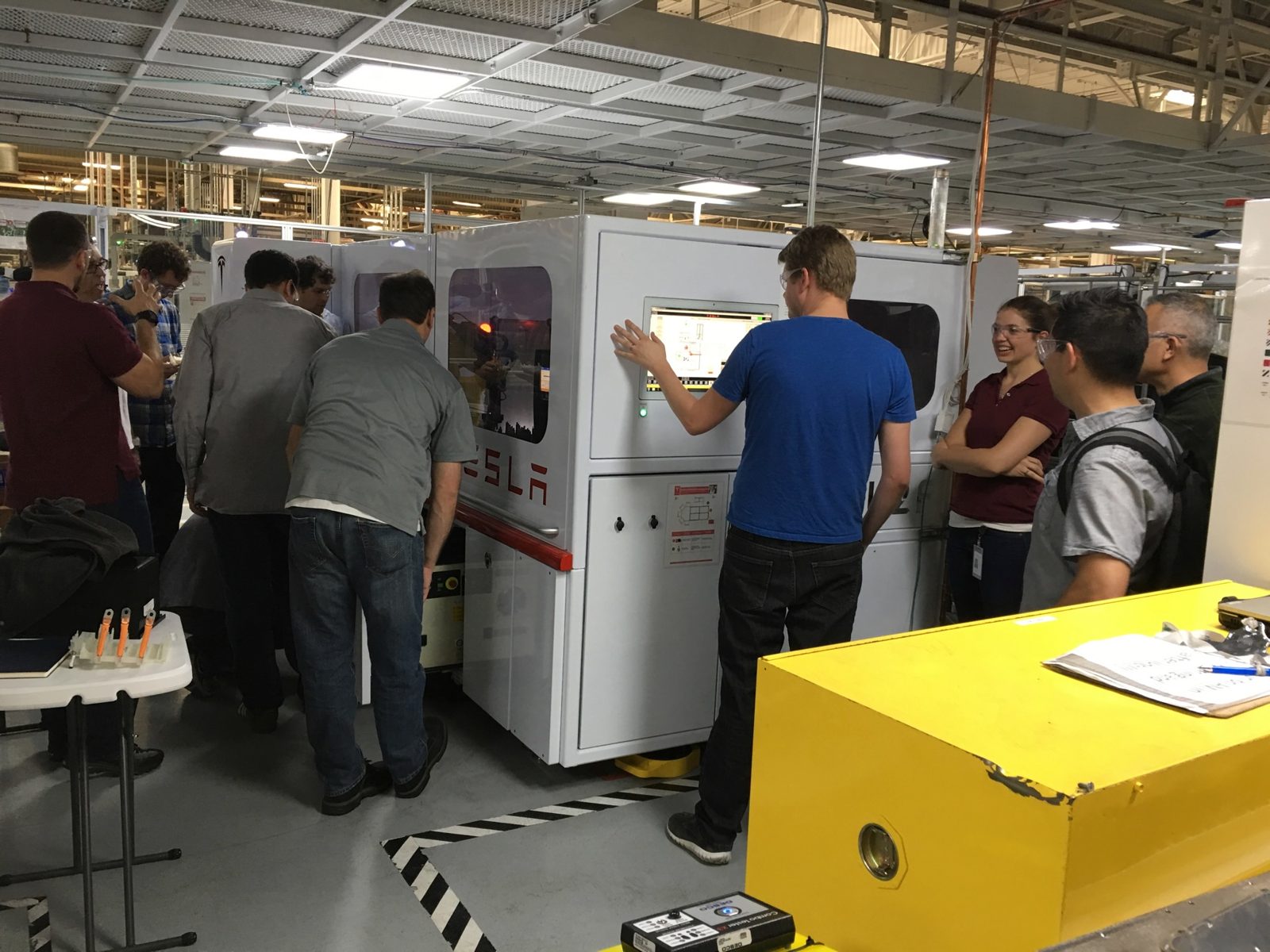
Tesla-badged power-module assembly cell with four FANUC LR Mate robots around a central turntable, gull-wing access doors, a custom controls cabinet and a live plant-layout HMI, installed on the Fremont line. Separately, a batch of plant-floor MES data loggers that feed machine data to Tesla's manufacturing execution system and show real-time trends and alarms at the machine.
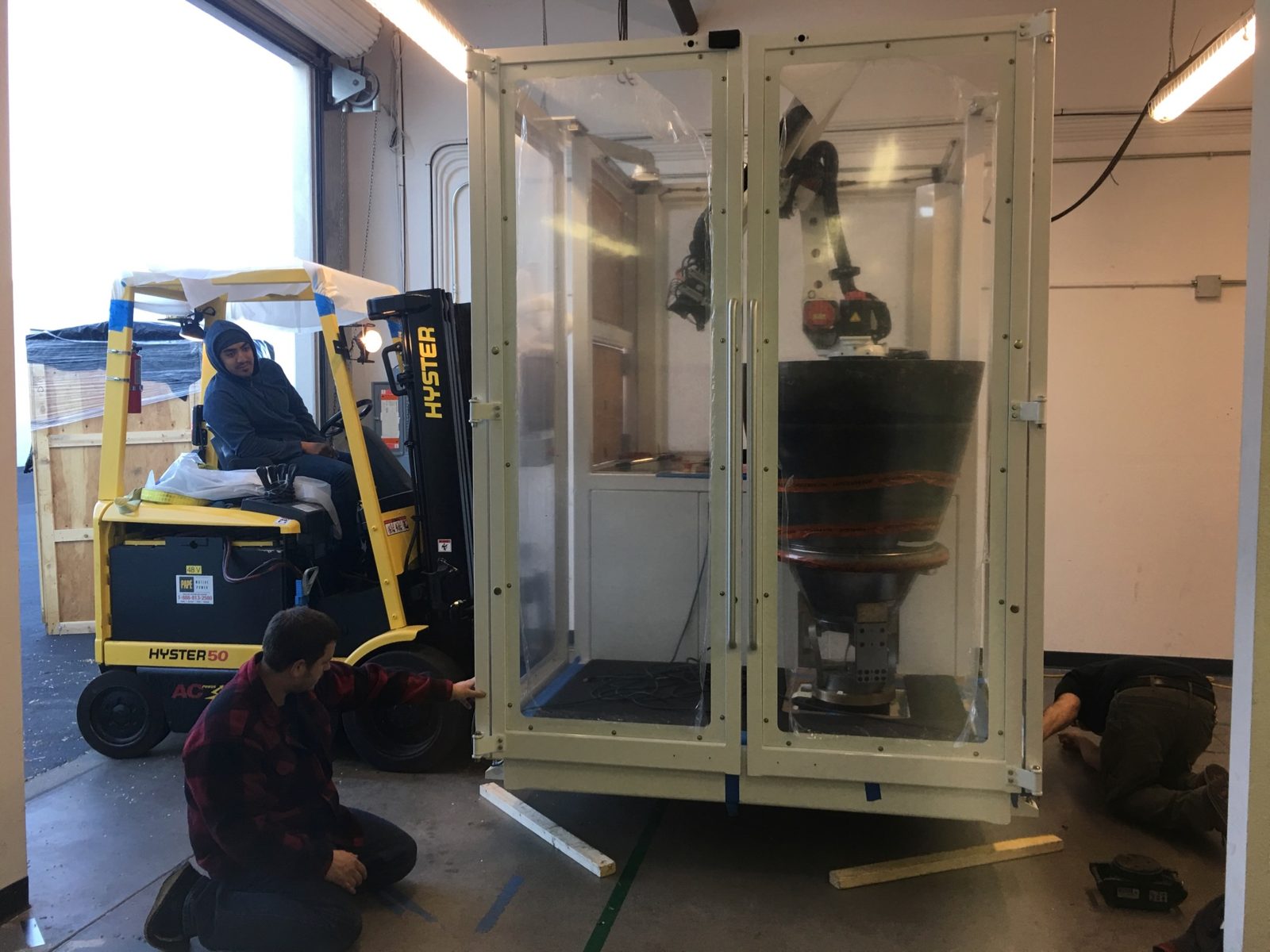
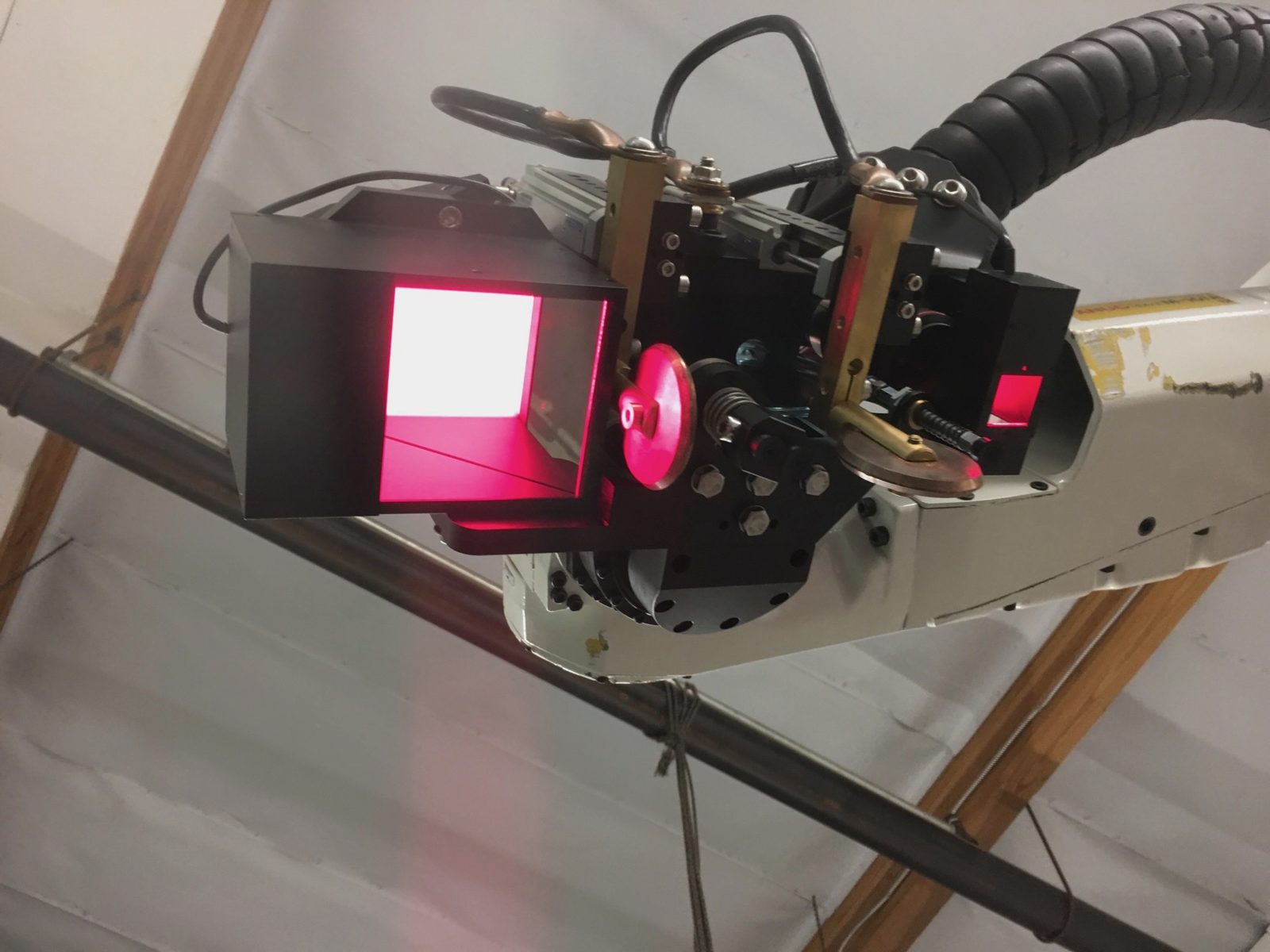
SpaceX came to us with a 1993 NASA Marshall whitepaper, Automated Welding System, and asked if we could turn it into a production cell for tack welding rocket thruster bodies. At the time a technician spent more than 24 hours and multiple shifts on each one, by hand. Daniel Hudson led the engineering. We built a one-touch cell: load the thruster body, download the CAD, press start, and ten hours later a fully welded thruster body comes out. One seven-figure robotic system versus technicians at $85 an hour, around the clock. Madison Whitt, the SpaceX engineer who championed the project, was promoted right after it shipped.
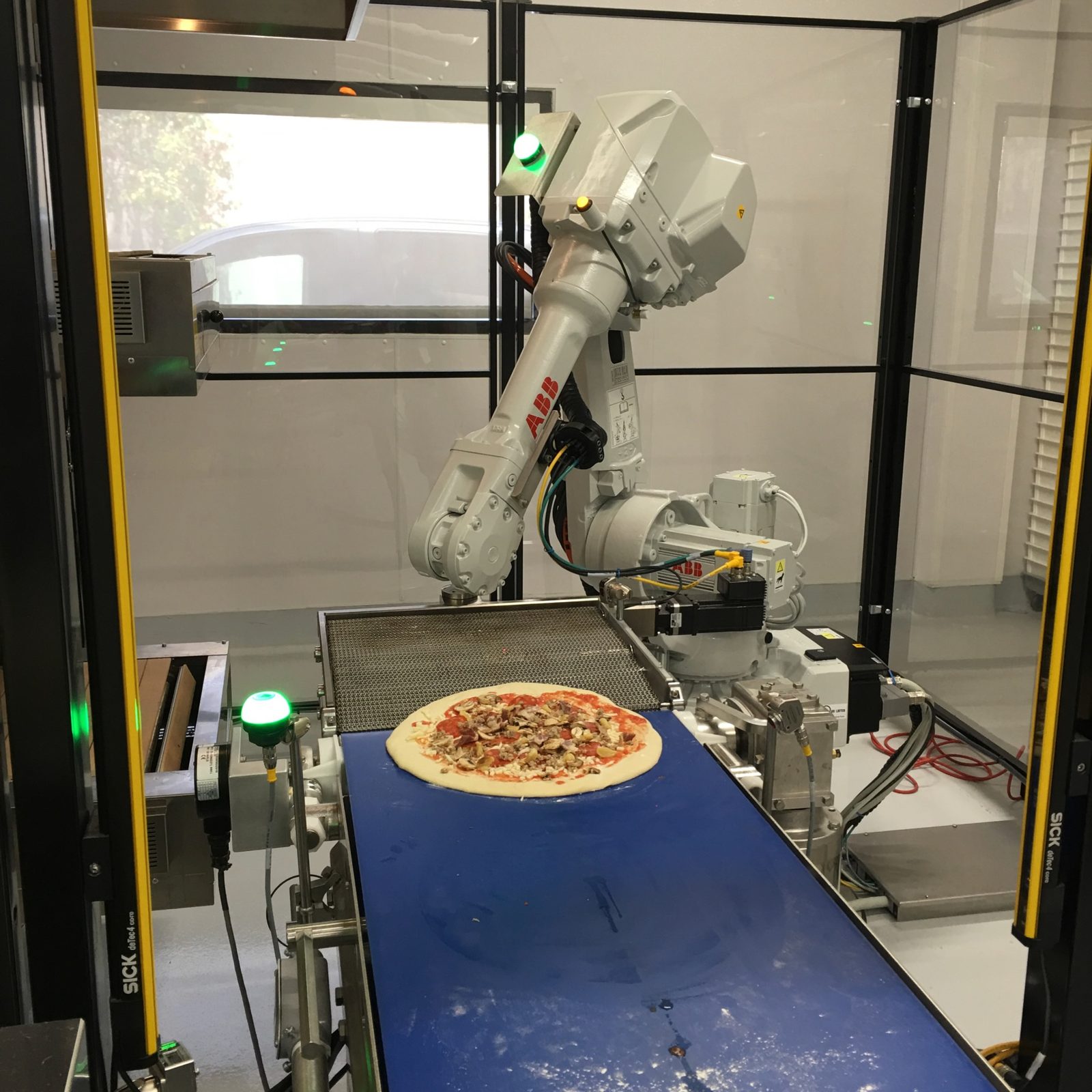
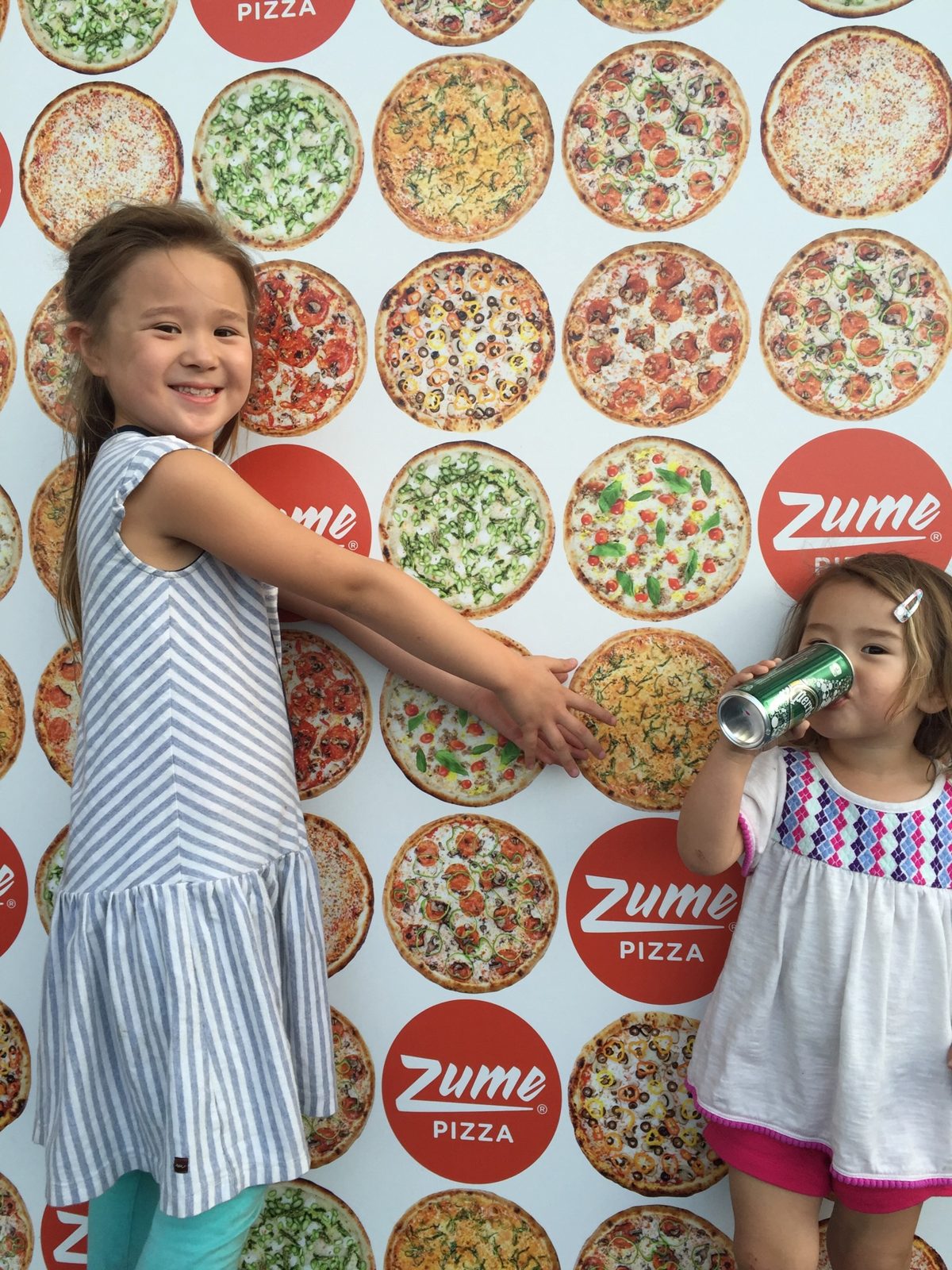
Robotic pizza production line for the venture-backed delivery concept, developed with CVM Inc. and deployed in roughly three months: a delta robot spreads sauce on the makeline, and a six-axis arm lifts each assembled pizza off the line and loads it into an Italian stone conveyor oven.
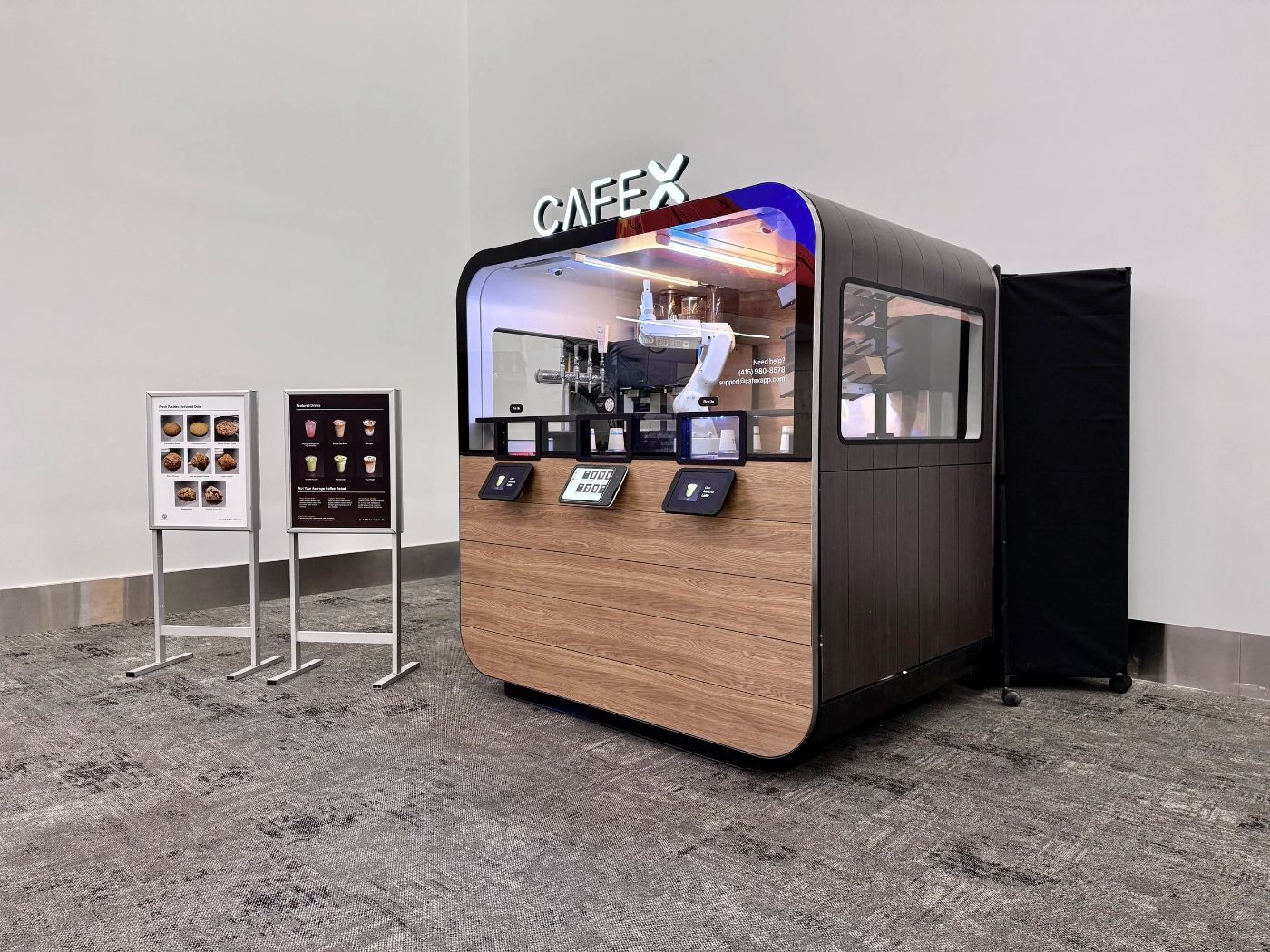
Cafe X handed us a working prototype of their robotic barista. We re-engineered it as a production machine, carried it through NSF certification, and deployed the first units at the Metreon in San Francisco and then SFO, working with Ammunition, the San Francisco industrial design firm, to hold consumer-electronics finish standards on industrial equipment.
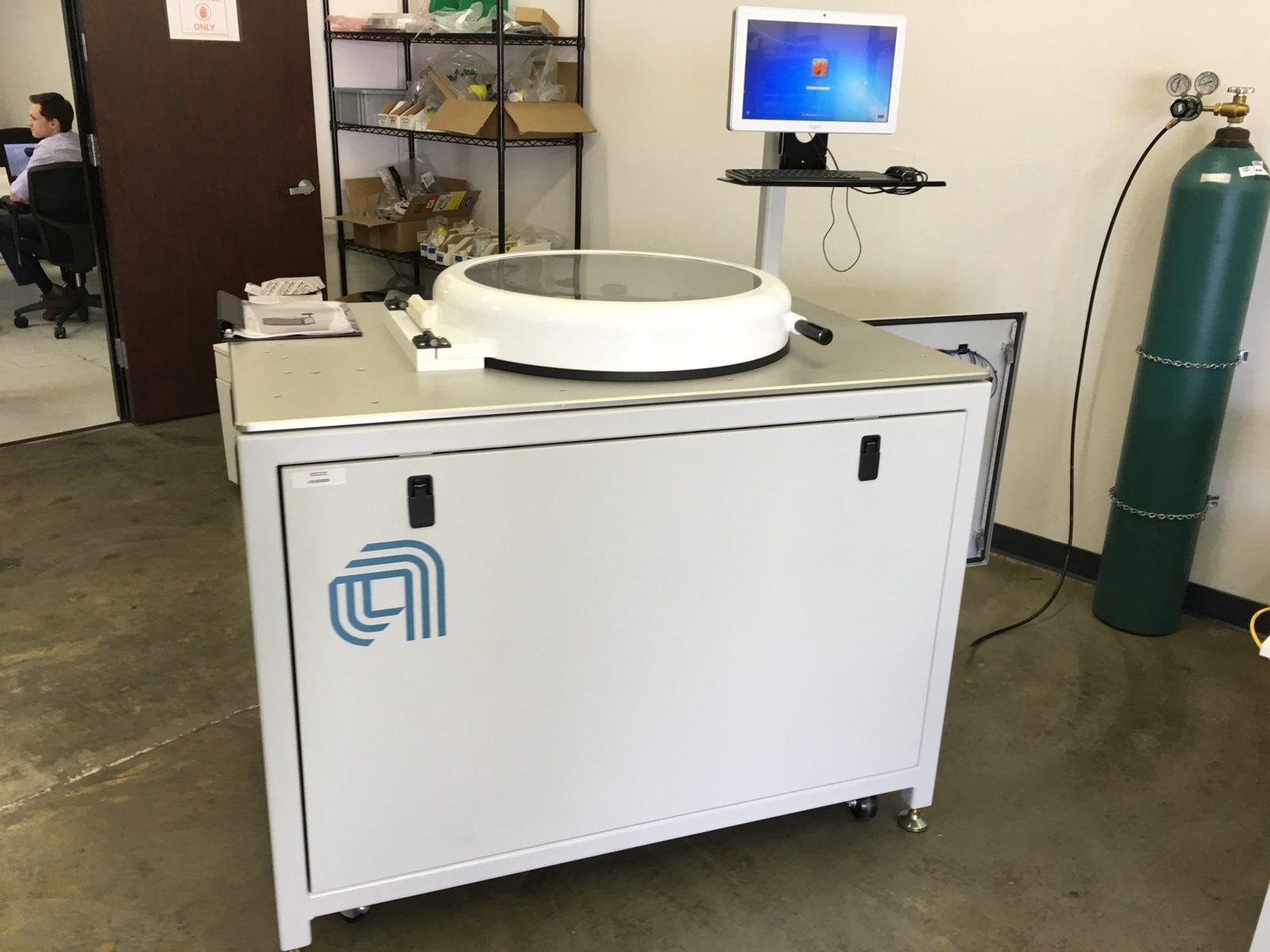
Custom wafer-handling tool built for Applied Materials, from frame and enclosure to a custom controls cabinet and HMI.
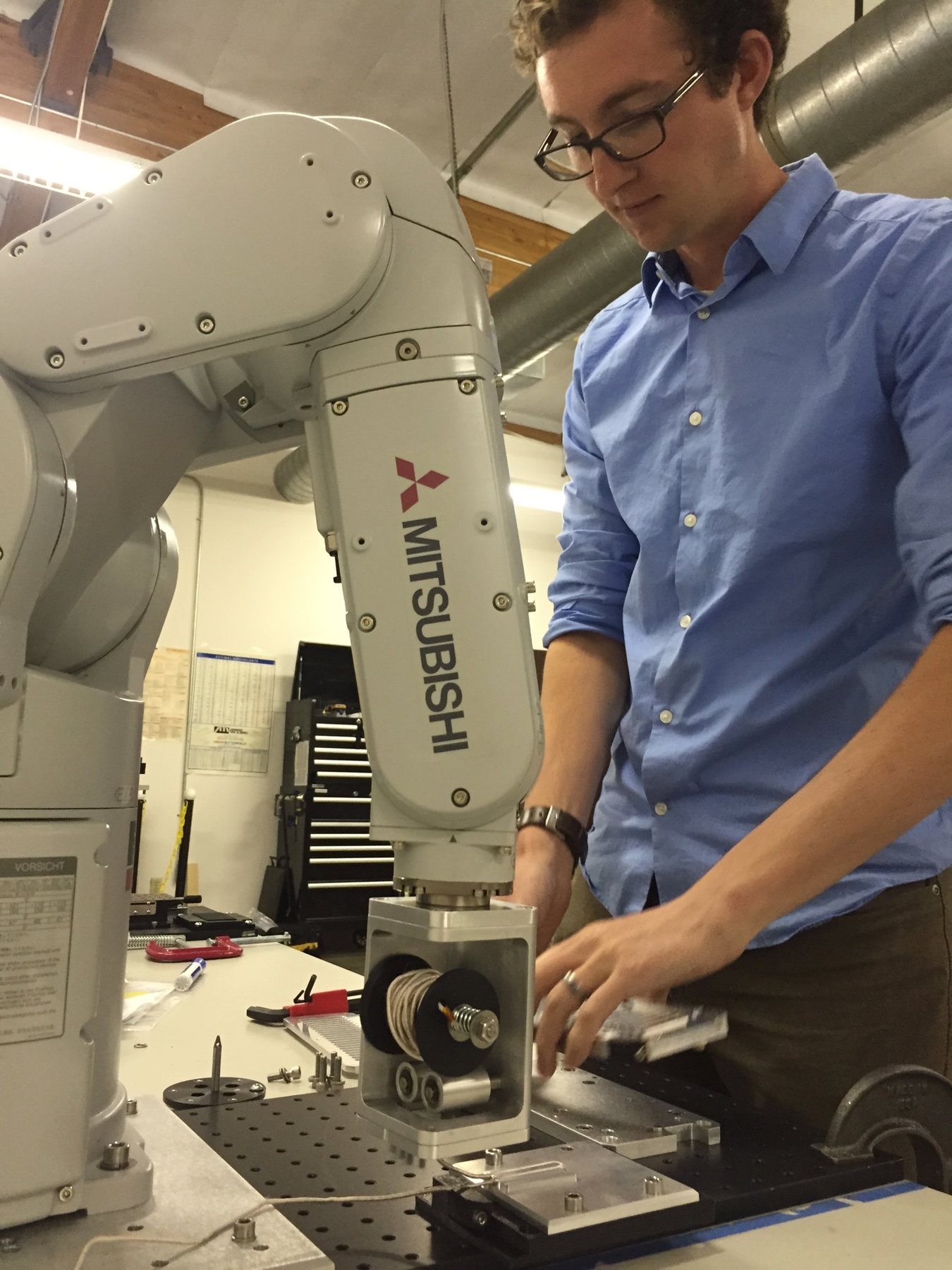
Electric-motor coil winding machine for Zee.Aero, the Larry Page-backed aircraft company that became Kitty Hawk. The system winds motor coils with Litz wire, which does not like to be manipulated by a robot; the end-effector took several iterations and then ran flawlessly.
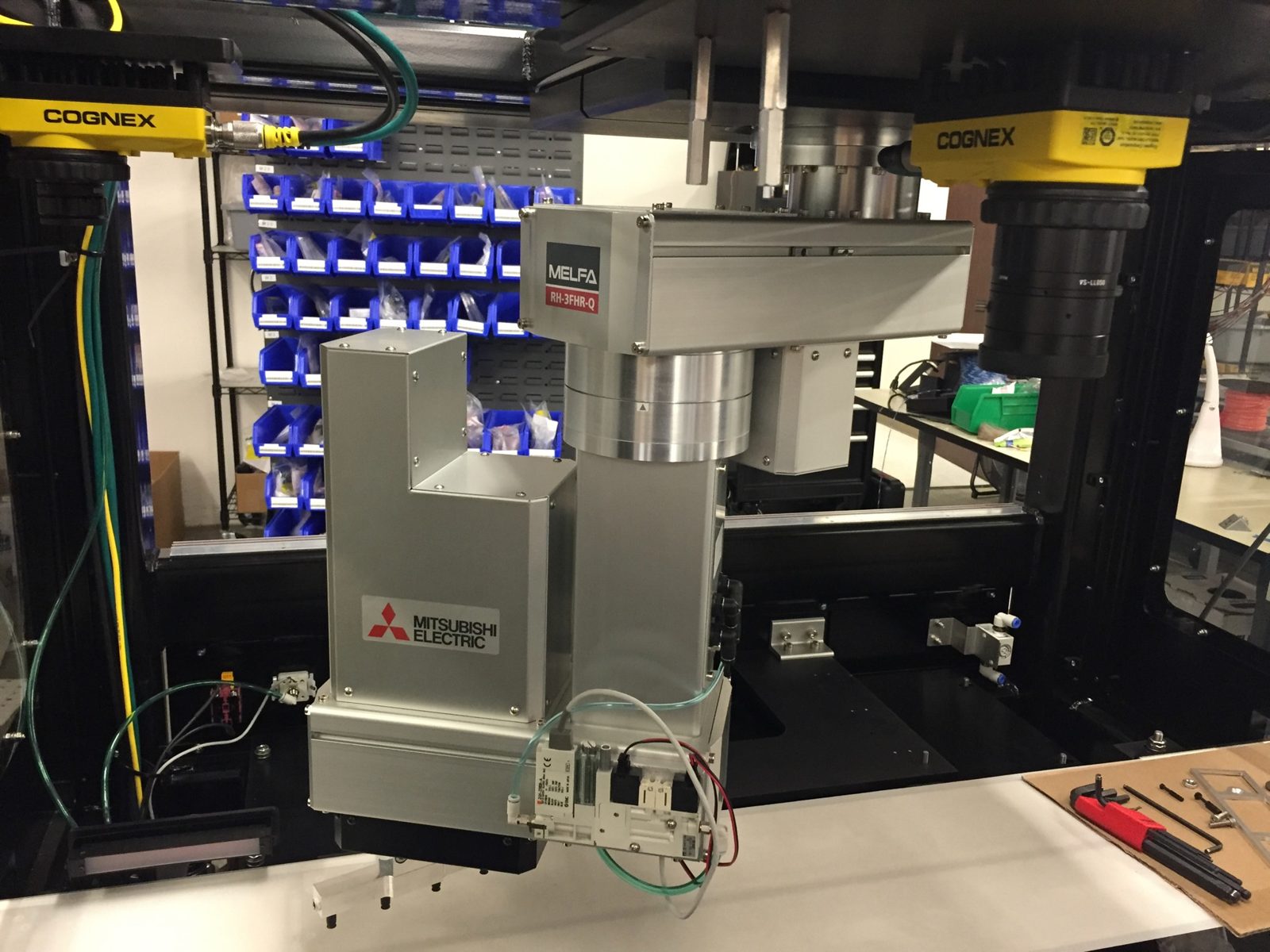
High-speed, high-accuracy pick-and-place for solar cell production: a Mitsubishi SCARA guided by Cognex vision. We believe it was the fastest and most accurate system of its kind when built, and it was the missing link that let Cogenra move to mass production. A hard project, delivered by a three-person team: Jos Goble, Peter So and me.
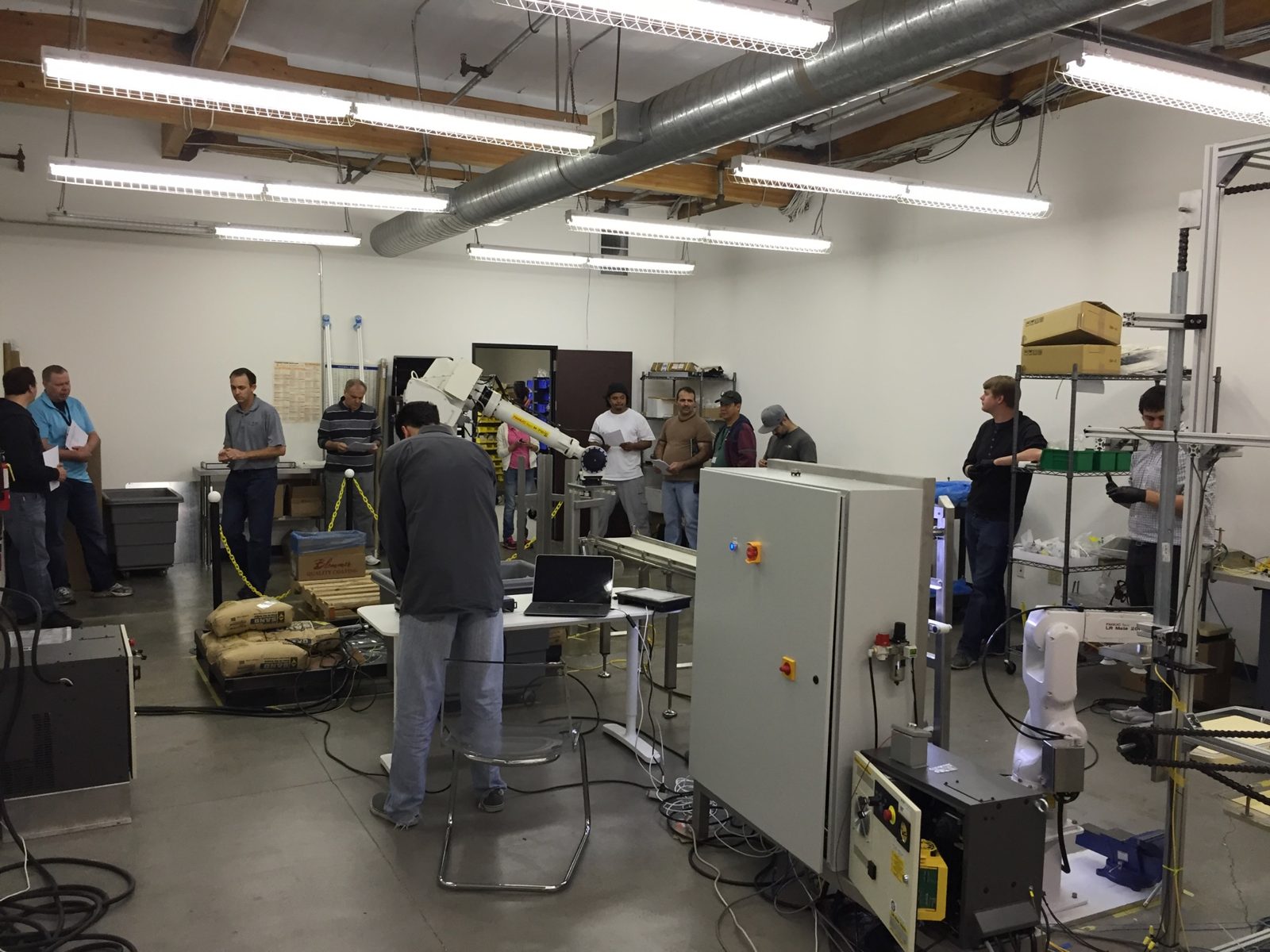
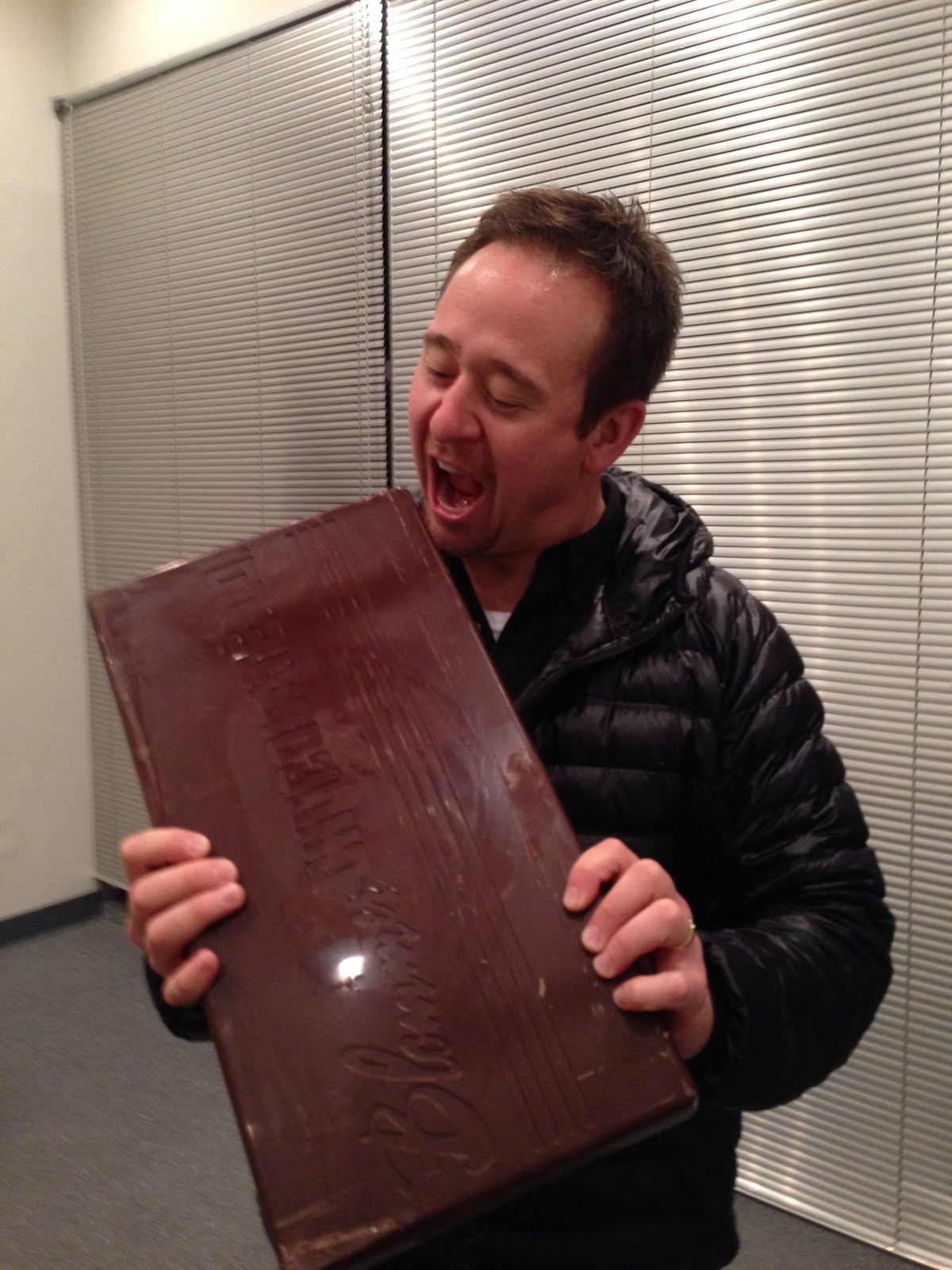
Blommer's first robots ever. The job: lift 10-pound bars of chocolate off a line above head height and set them down at floor level into a one-ton shipping box, all shift long. People physically couldn't keep up, and some were nervous about working next to a robot. We proved it first on an in-house test stand with Blommer's own mold trays, then installed de-mold and palletizing robots with custom end-of-arm tooling on the plant floor.
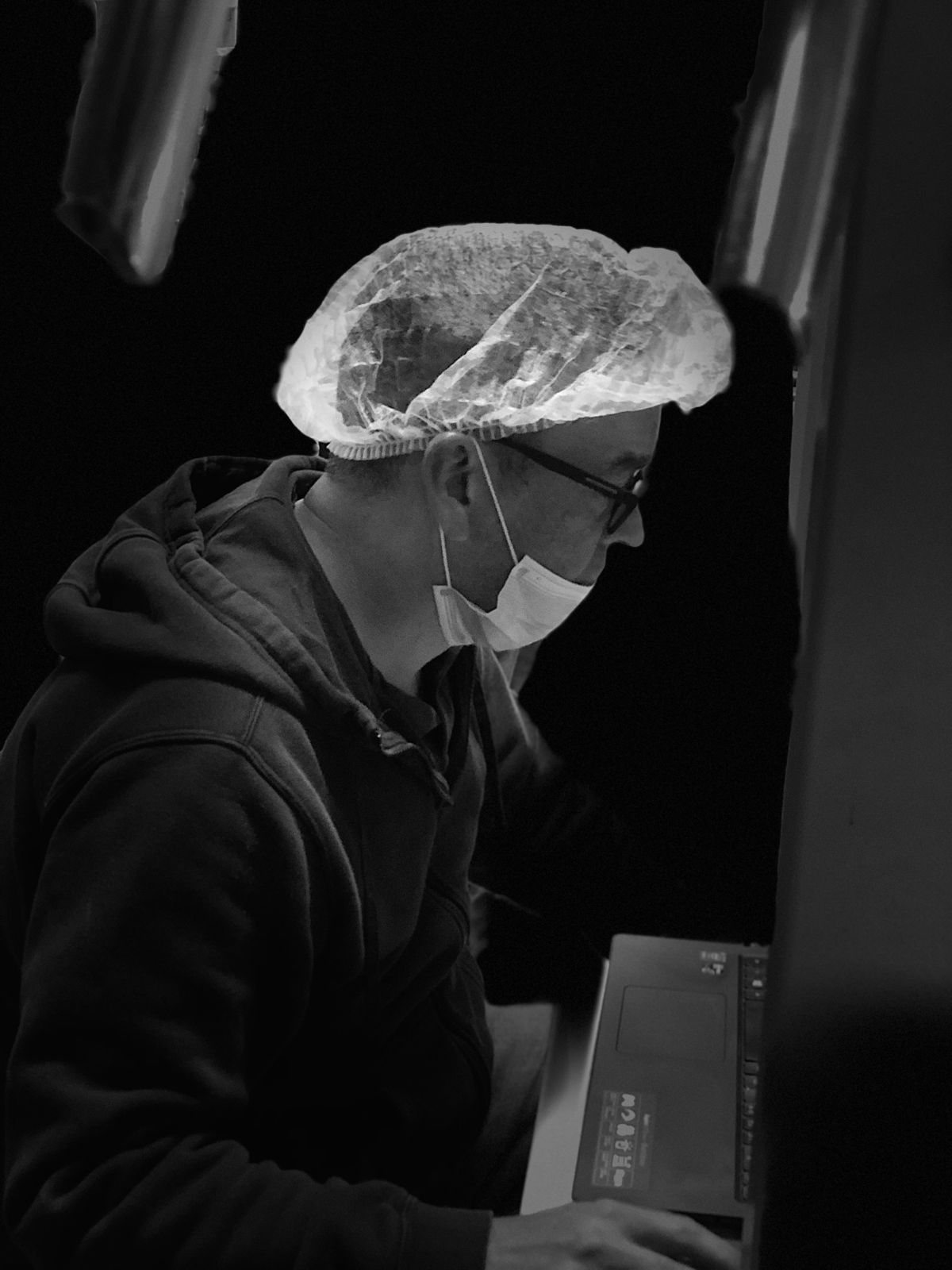
Replaced the antiquated control system on Maruchan's spice and ingredient dispensing line, the part that drops the shrimp and seasoning into every cup. Designed, built and tested the new multi-axis servo system offline, then had one four-day Easter weekend to tear out the old system and install ours. If the line wasn't running Monday morning, the penalties ran by the minute.
After the acquisition, Lab2Fab became Middleby's automation arm. I ran it with full P&L and took four products from concept to commercial release, selling into quick-service, fast-casual, concessions and grocery. Three of them won the National Restaurant Association's Kitchen Innovations Award three years running. Click a card to watch it run.
 VIDEO
2020
Connected liquor-pour control and monitoring: a smart spout that measures every pour and reports it, so an operator can see what was poured against what was sold. Inherited at acquisition, rebuilt with IoT hardware and analytics.
 VIDEO
2020
Enclosed, refrigerated robotic pizza assembly, descended from the Zume line. Sauce, cheese and pepperoni sliced to order in under a minute, portioned the same every time, so the pizzas are consistent and food waste and labor go down.
 VIDEO
2022
Robotic fry station built around a seven-axis collaborative arm that fries two different frozen products at once. Presence sensing lets crew work beside it; the robot handles the 400° oil, the shaking and the timing.
 NEWTON ↗
2024
Automated multi-beverage dispenser developed with Yum! Brands' automation team at RED Innovation Labs: drinks made to the digital order, with a self-cleaning cycle so the crew isn't tearing it down at close. Now sold as a Newton Beverage Solutions product: 28 flavors, up to 450 drinks an hour, sealed cups for delivery.
Also shown at NAFEM 2023: SpiceBot, a robotic seasoning and topping dispenser from the same platform.
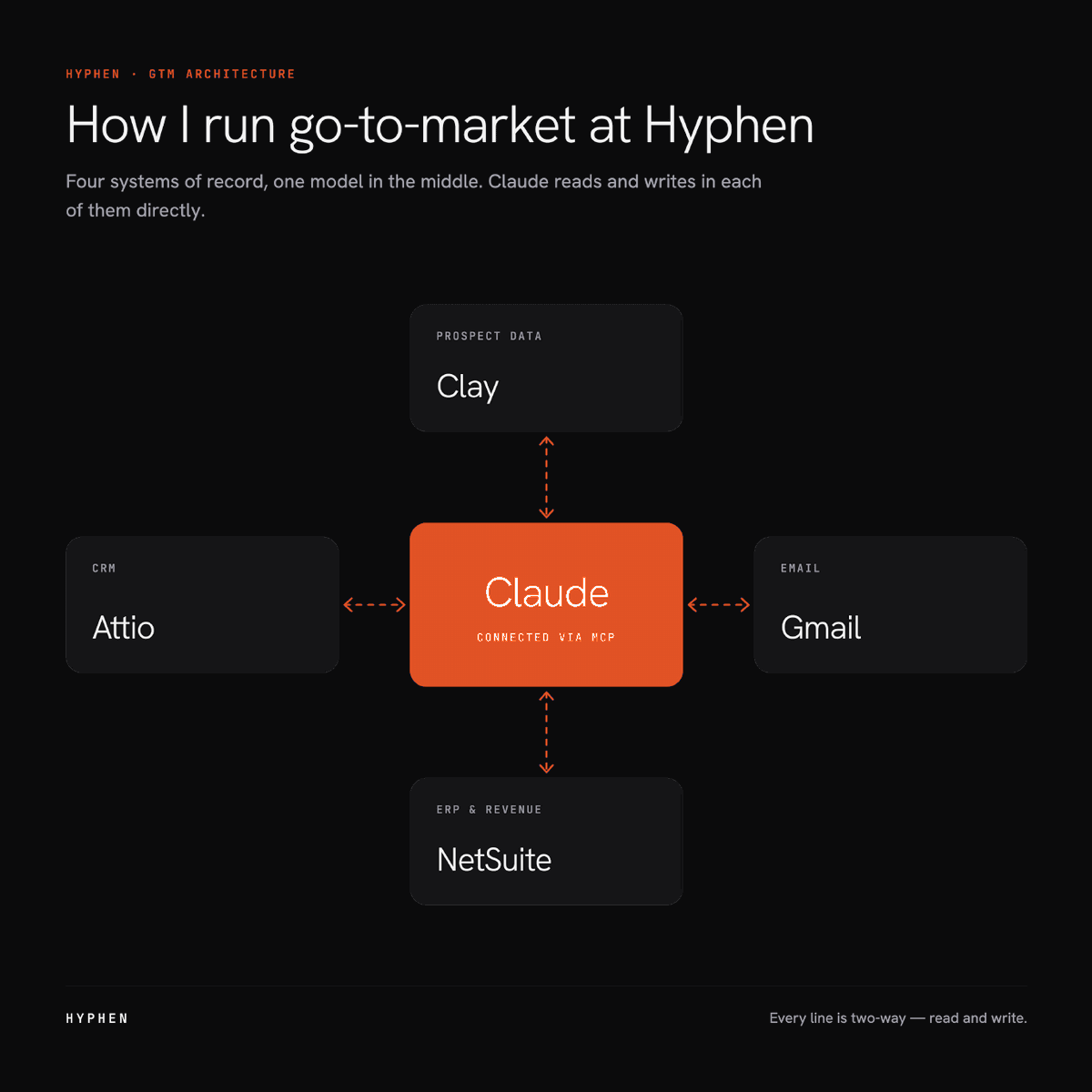
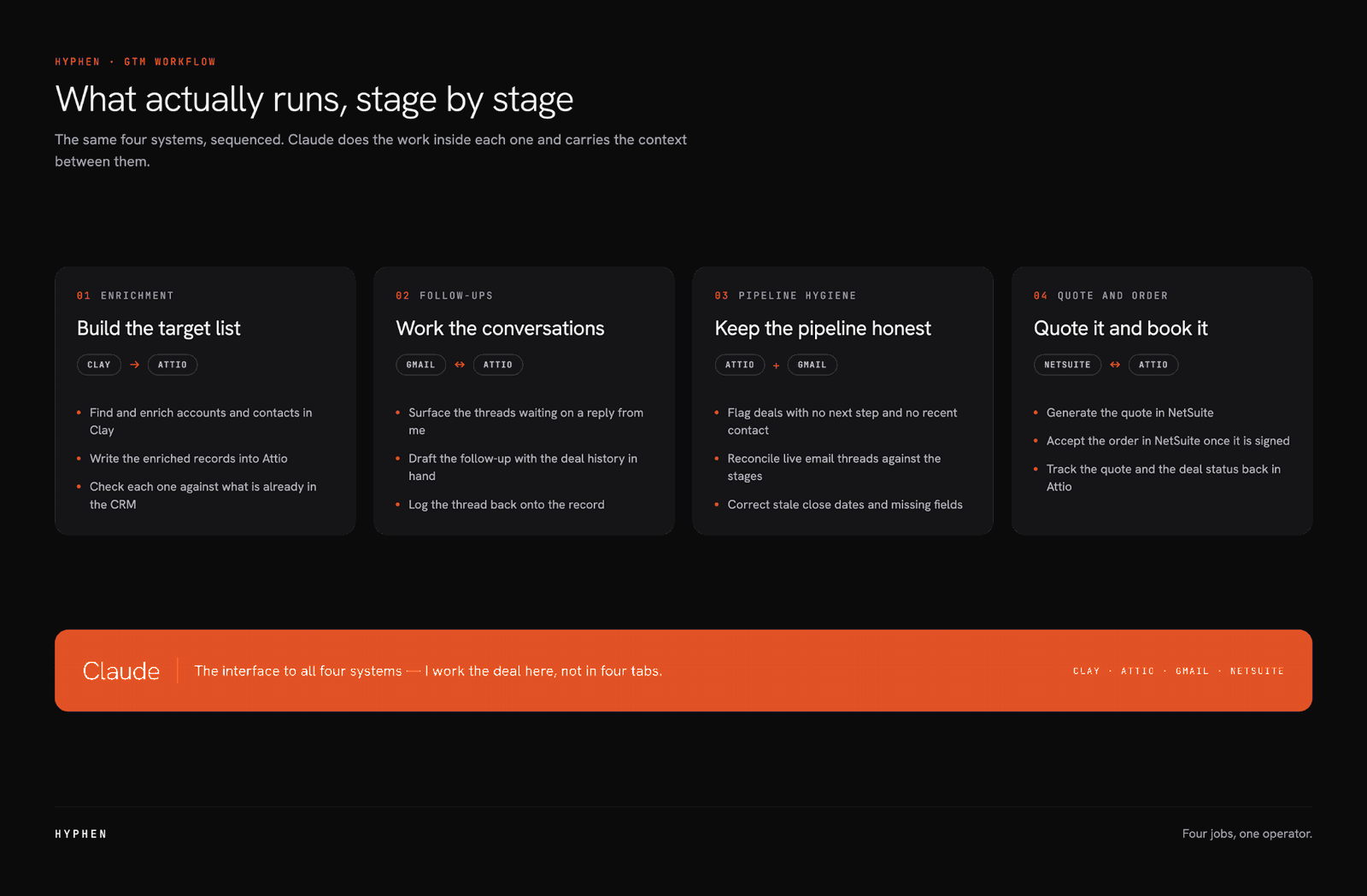
Hyphen builds the automated makeline: the open line your team works on top, the robotic line underneath that drops the bowl, carries it under each dispenser, portions by weight and lifts it to the counter. My job is to sell it to enterprise restaurant, grocery and contract-foodservice operators, and to build the machine that sells it.
Pending: robotic frying system, automated multi-beverage dispenser with self-cleaning, capacitive sensing for beverage dispensers, component systems for automated cooking, transfer module, and an integrated front-of-house and back-of-house restaurant automation system.
Grit is the part of the spec nobody writes down.
Every project on this page ran in the red until the customer signed off on the factory floor. Innovation at that pace is cash-flow, nerve and a team that keeps showing up.
I started as a Kettering co-op at Electroglas in 1996, six months in class and six months on the factory floor every year for five years, and I have never stopped working with my hands. Two engineering degrees from Kettering, a master's in robotics and controls earned part-time at Santa Clara, more than three years inside Mitsubishi Electric's motion-control group in Nagoya, and then fourteen years building Lab2Fab from an idea to an acquisition.
The through-line is the same: find the hard physical problem, build the thing that solves it, and then build the business that pays for it.
Kettering's co-op program: six months a year in Flint on the BSEE and BSME, six months a year at Electroglas in San Jose, rotating through IT, field service, manufacturing engineering, supplier development and product engineering. Graduated March 2001.
Electrical and controls engineer on 200 and 300 mm wafer inspection systems. Designed the motion control for a sub-micron, 3 m/s linear-motor gantry and led a joint gantry project with Adept Robotics.
Master's in mechanical engineering, concentrating in robotics, mechatronics and control theory. Mostly part-time while working; one year full-time.
Territory sales manager for motion control and automation, San Jose to the Oregon border, with key accounts at Medtronic, Abbott, Genentech, Stanford and SLAC. Inherited a territory whose top three accounts, about 30% of sales, were moving production offshore; refocused on major accounts and OEMs and grew revenue 45% year over year at one of the highest margins in the company. Won back a previously mismanaged account that became a company top-10 account.
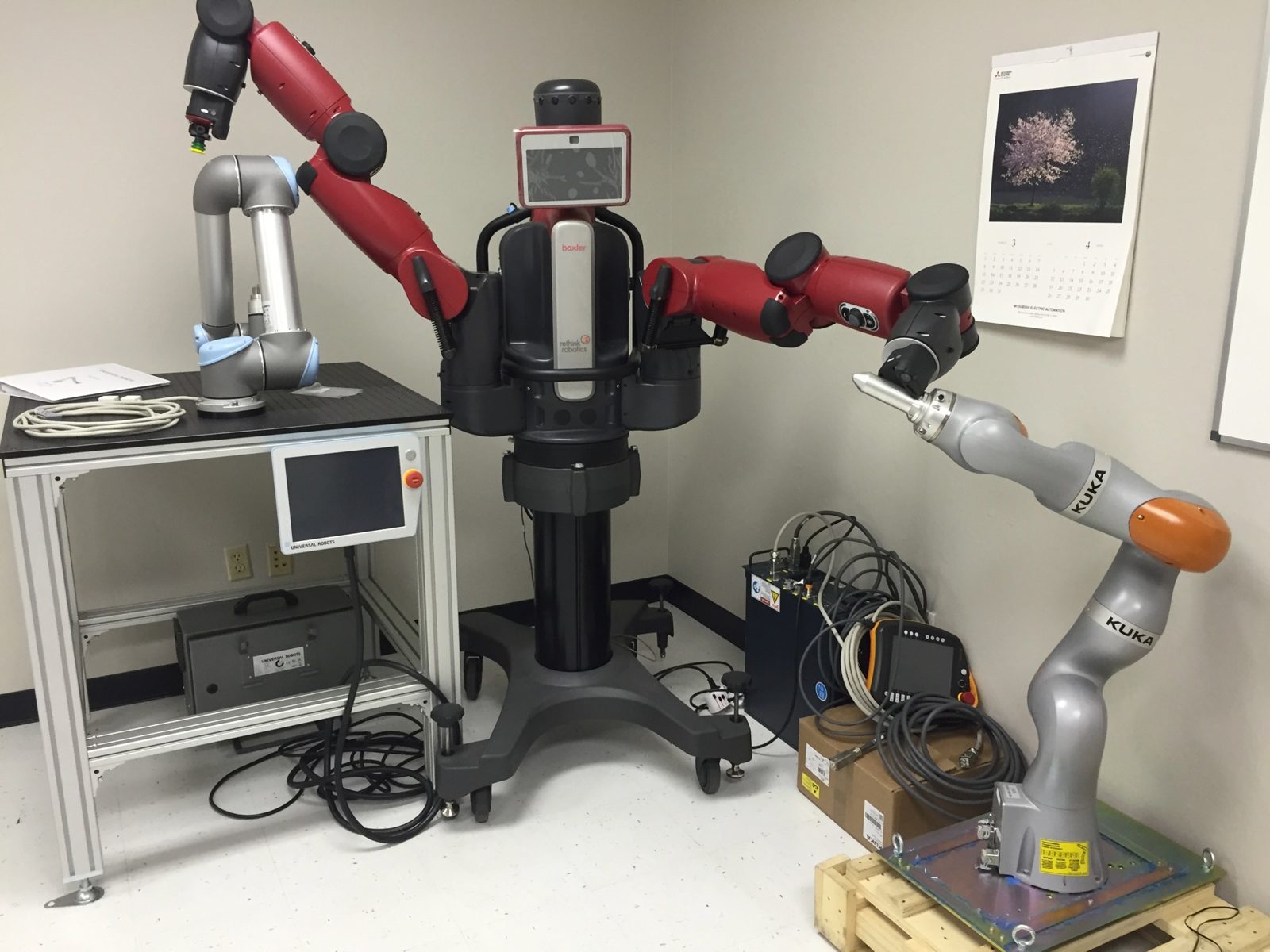
Sales engineer in San Jose, then more than three years at headquarters in Nagoya, Japan, developing motion-control products for global markets and writing the spec for the company's first EtherCAT motion solution. Returned to lead strategic sales into solar and battery manufacturing.
With co-founder Derek Pietz. First and only RIA-certified robot integrator in California. Raised close to $5M.
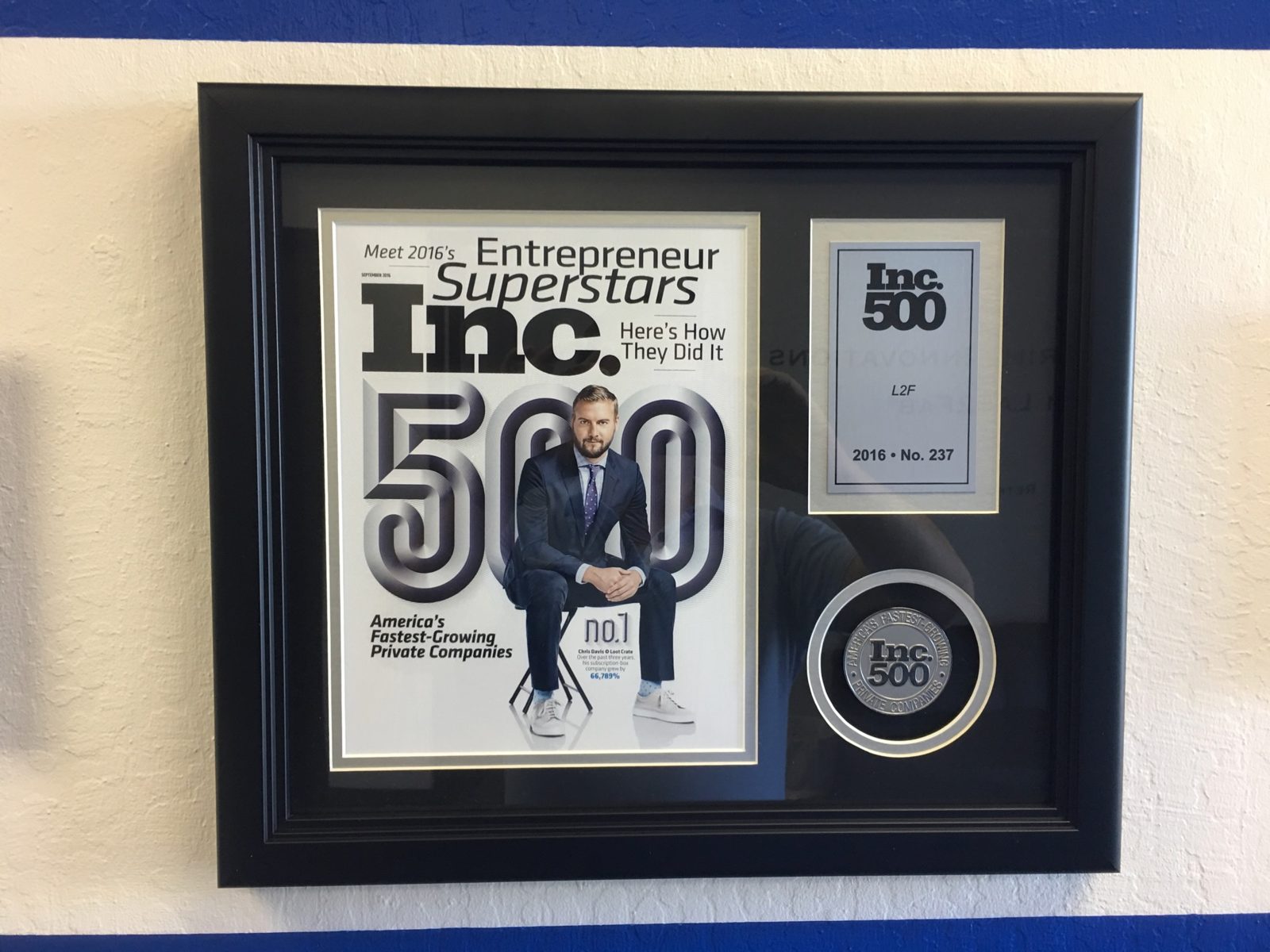
L2F ranked #237 on the Inc. 5000, the #2 engineering firm in the country and #11 in San Francisco. Revenue up more than 1,000% in three years. Inc. also ran a feature on how we got there.
Lab2Fab became the innovation arm of the world's largest commercial food-equipment company (NASDAQ: MIDD). Ran it as Division President for eight years.
Adjunct lecturer in business and engineering. Advisory board, Center for Innovation and Entrepreneurship. Mentor in the California Program for Entrepreneurship.
Regional Director, Northwest. Grew the region at more than 50% compound annual growth across semiconductor, robotics and energy accounts.
SVP, Go-to-Market at the Series A company automating restaurant makelines. Investor and advisor to early-stage hardware founders through Santa Clara Ventures, the JECA Fund and Plug and Play.
Advisory, speaking, board roles and the occasional hard automation problem. Based in the East Bay, often in Japan.